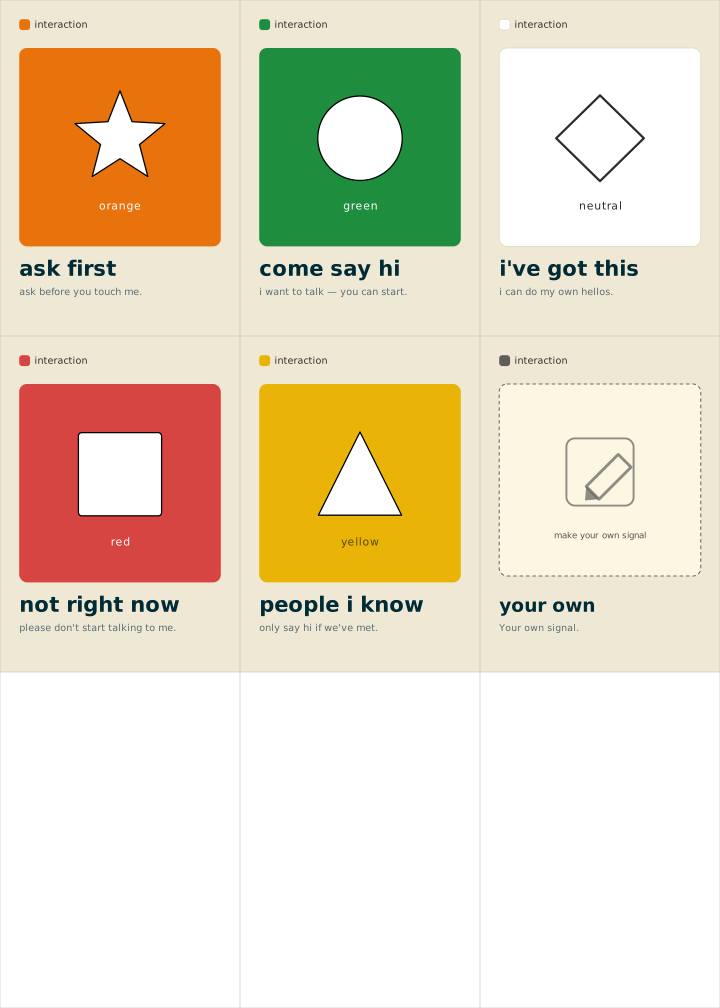
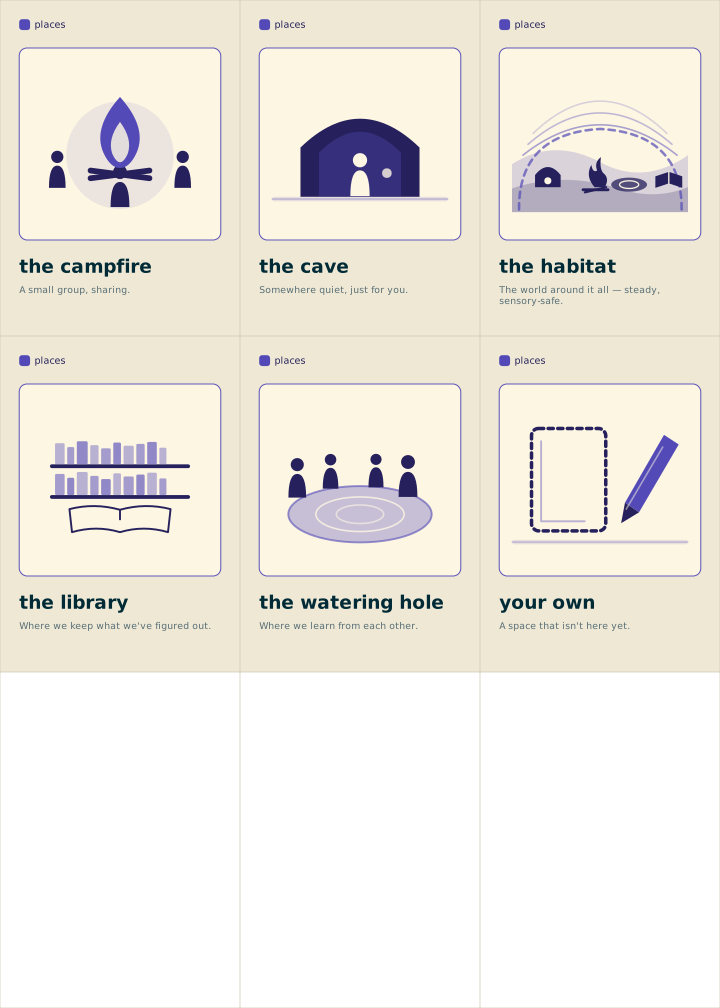
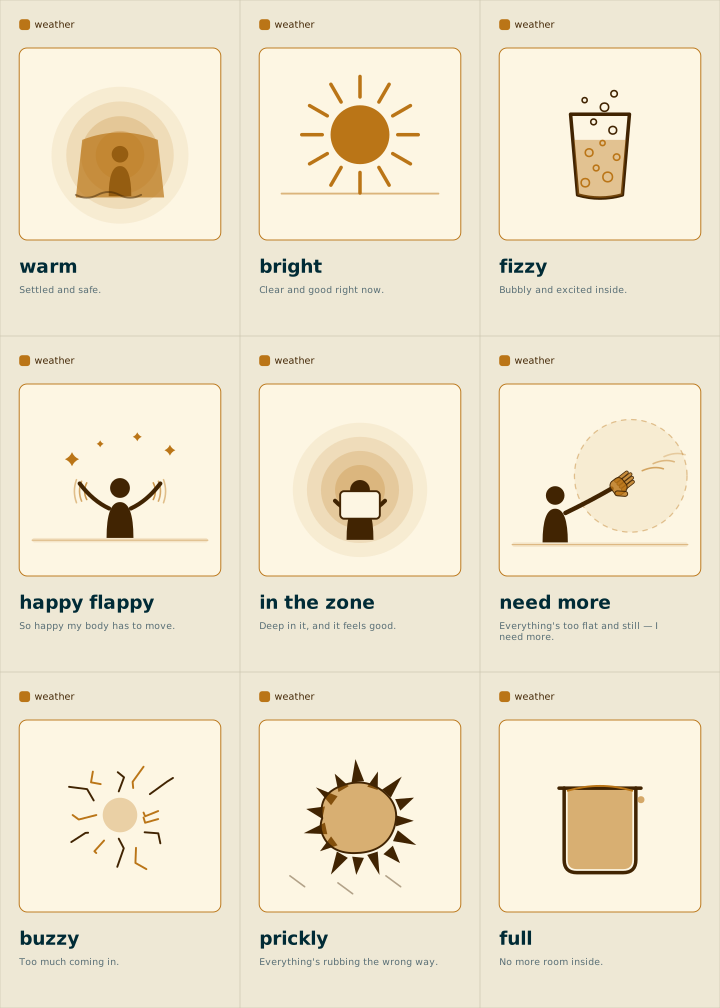
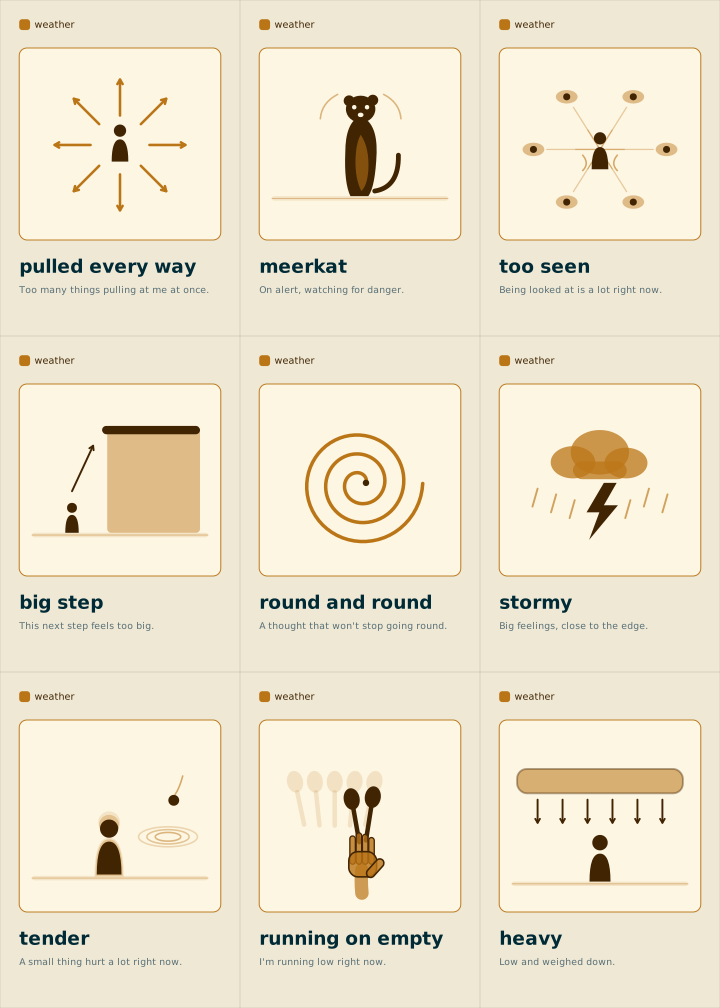
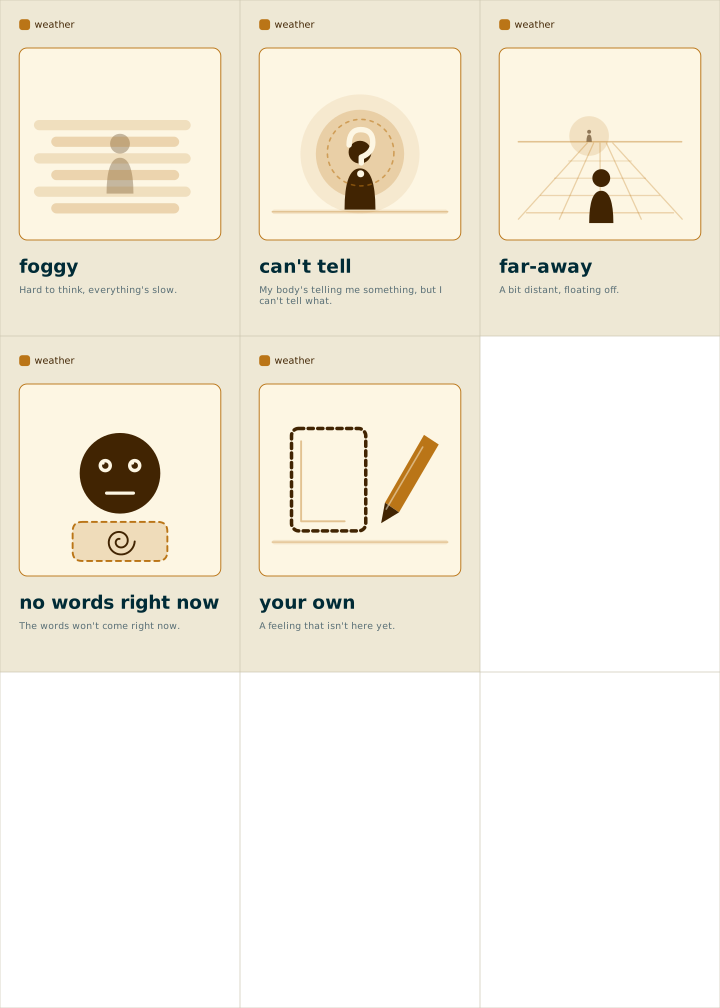
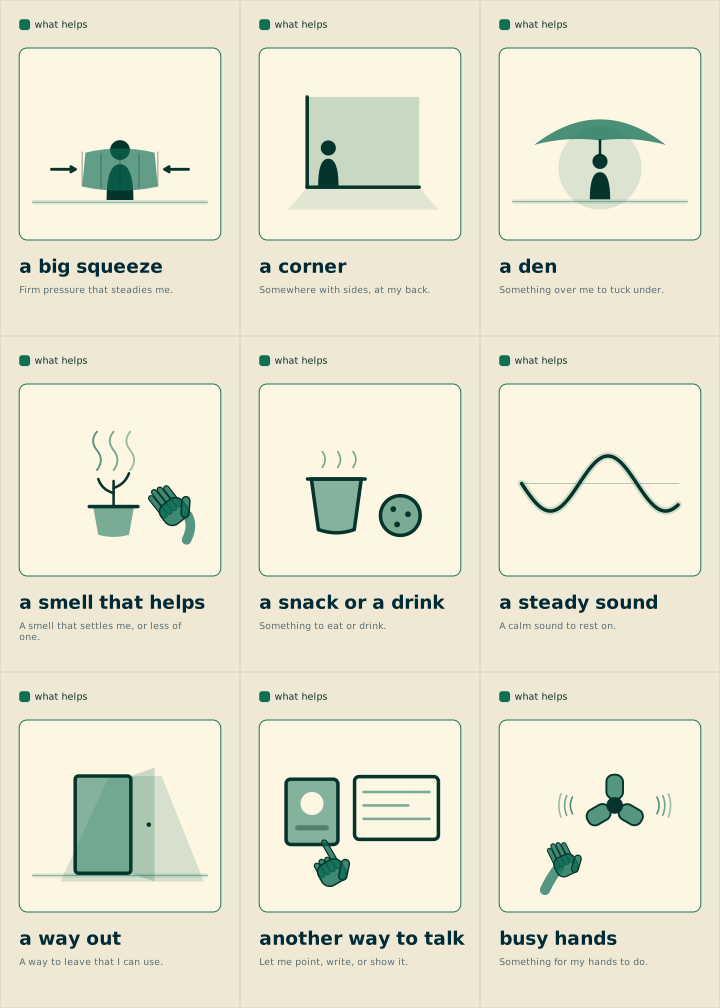
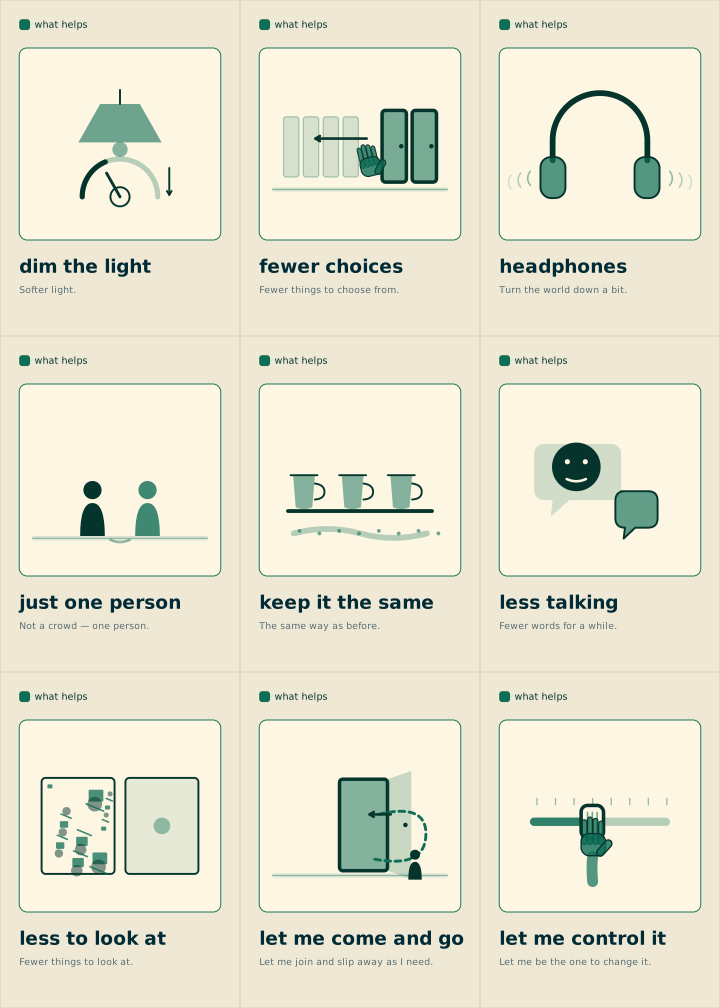
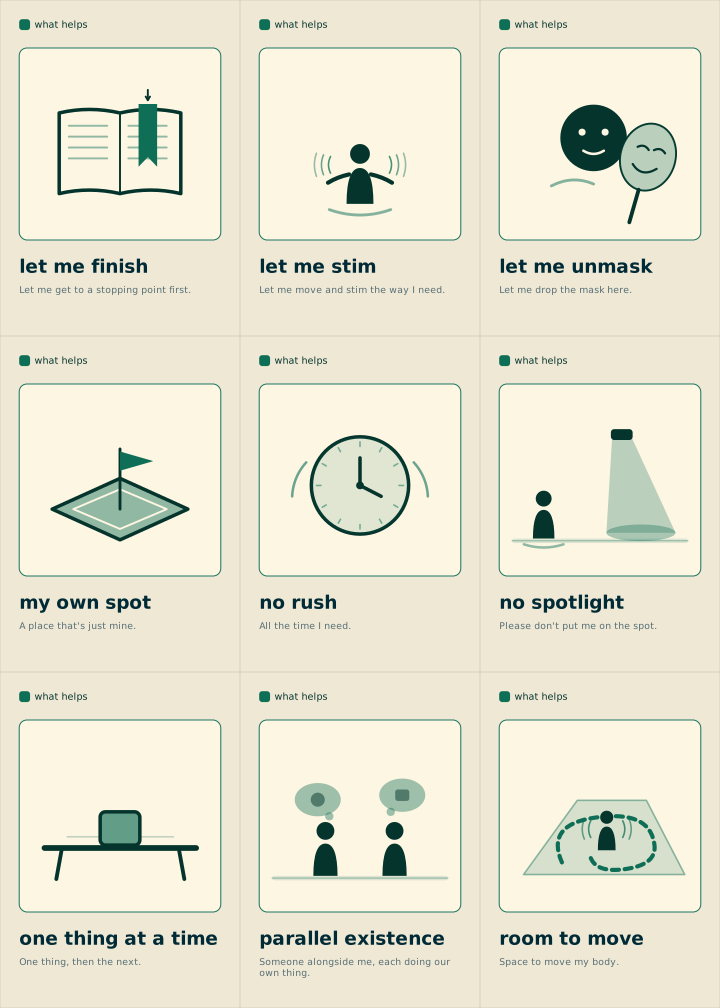
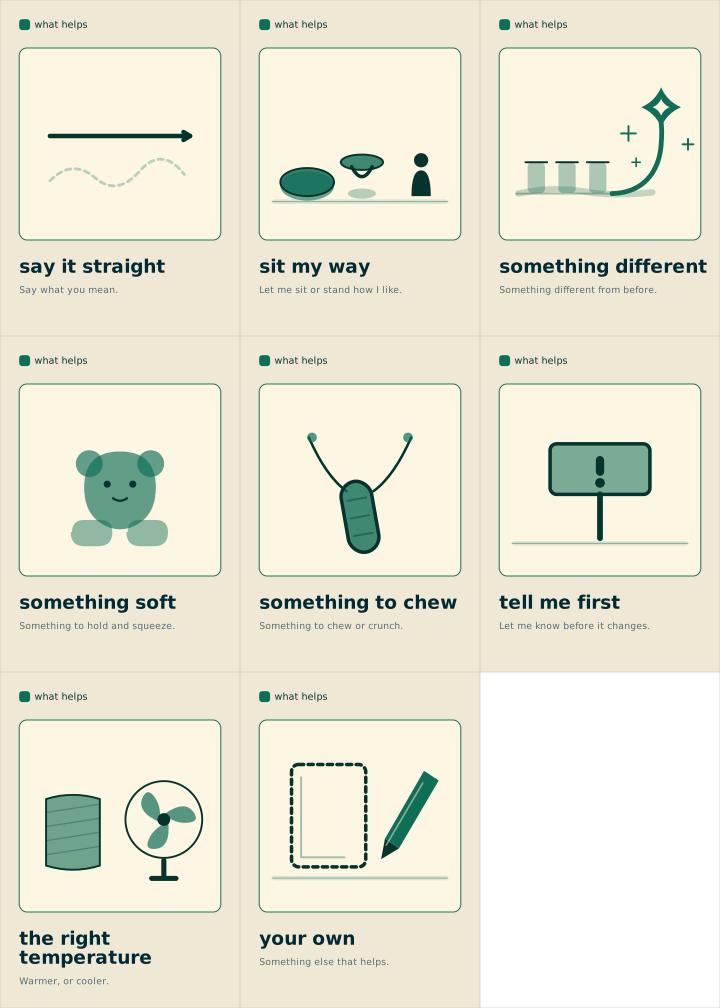
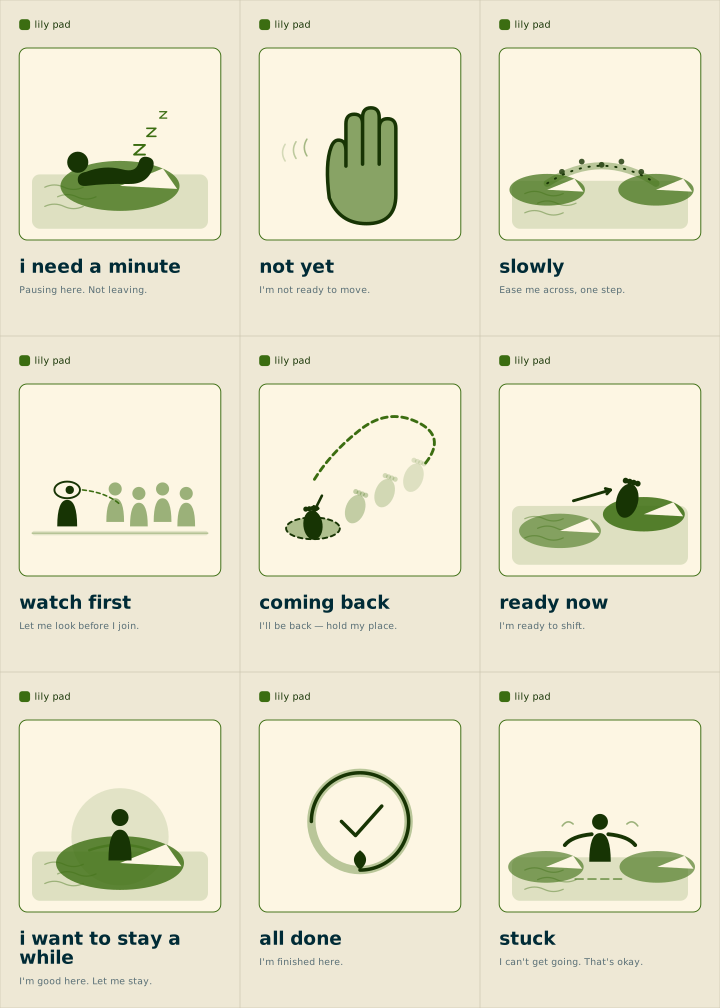
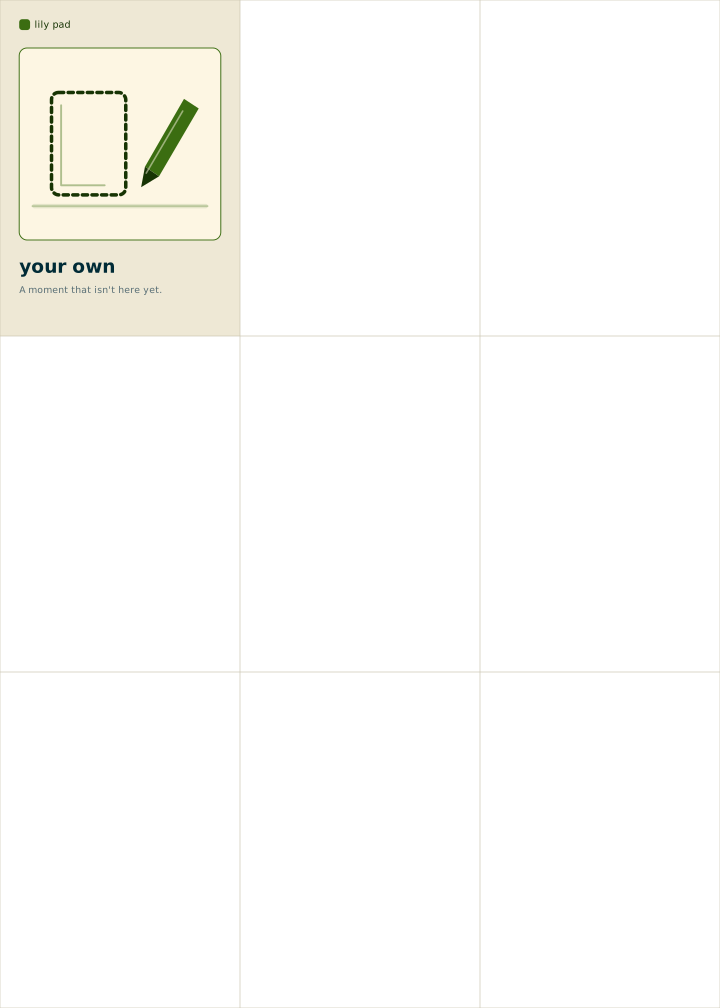
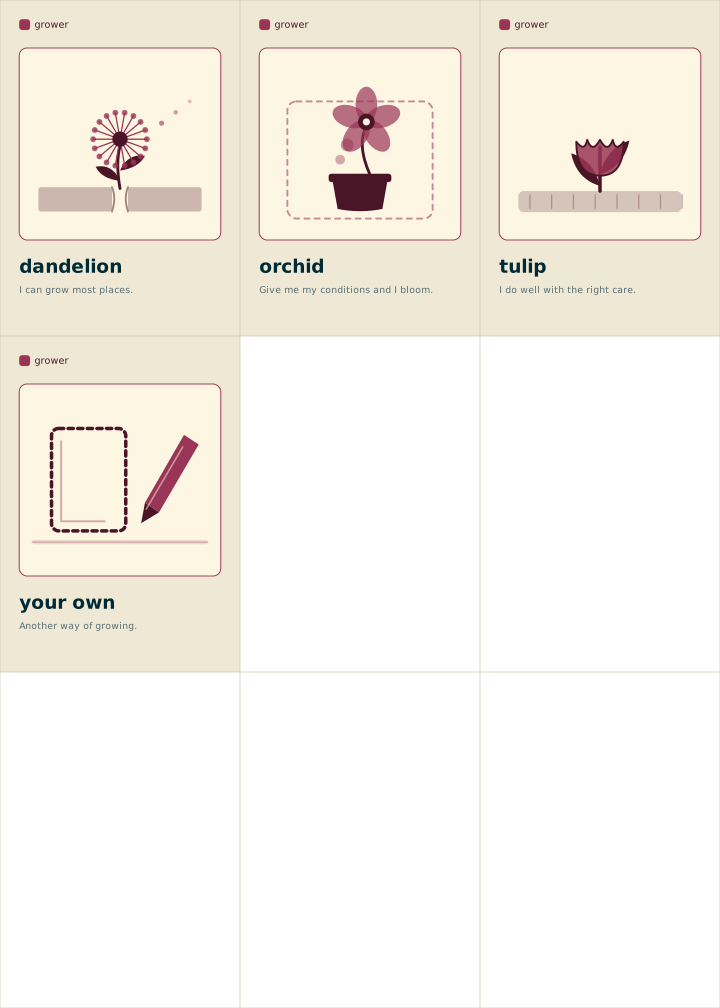
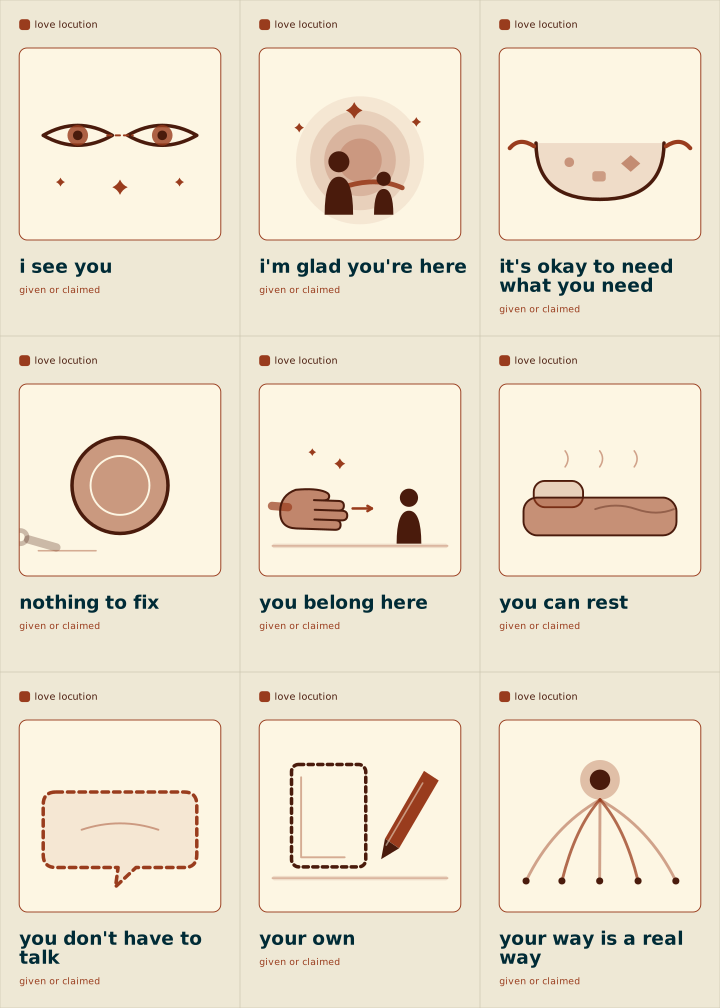
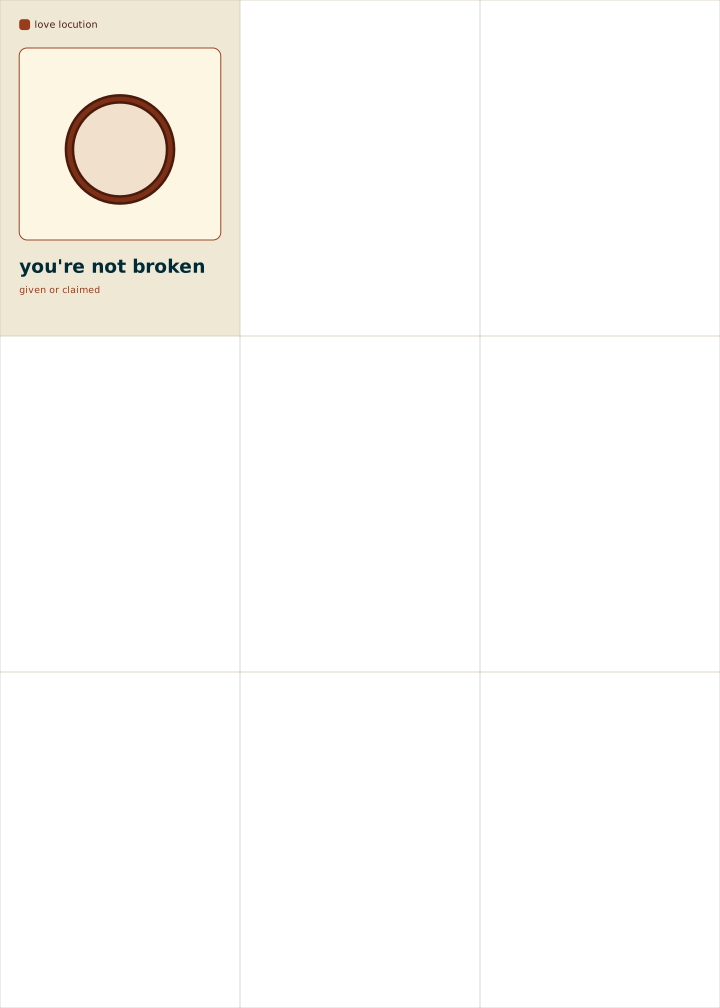
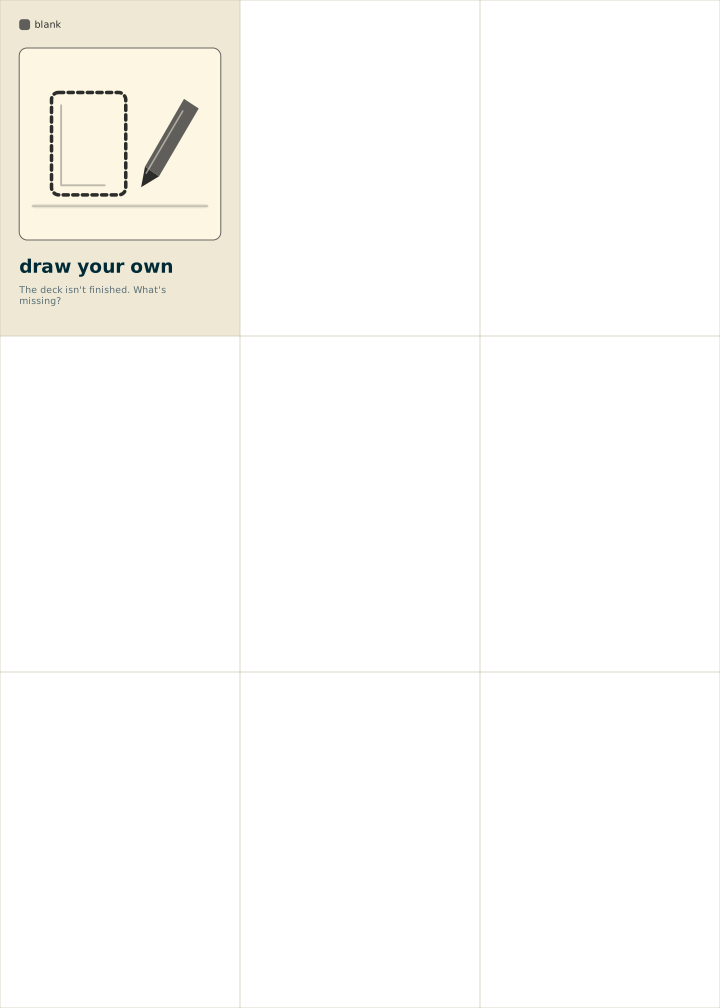
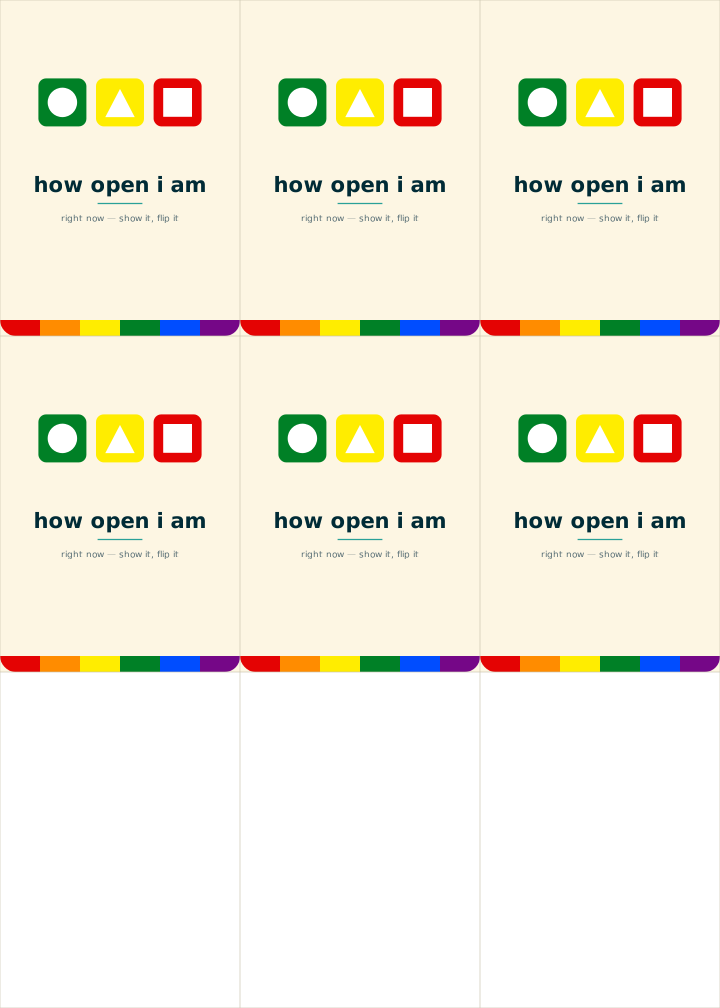
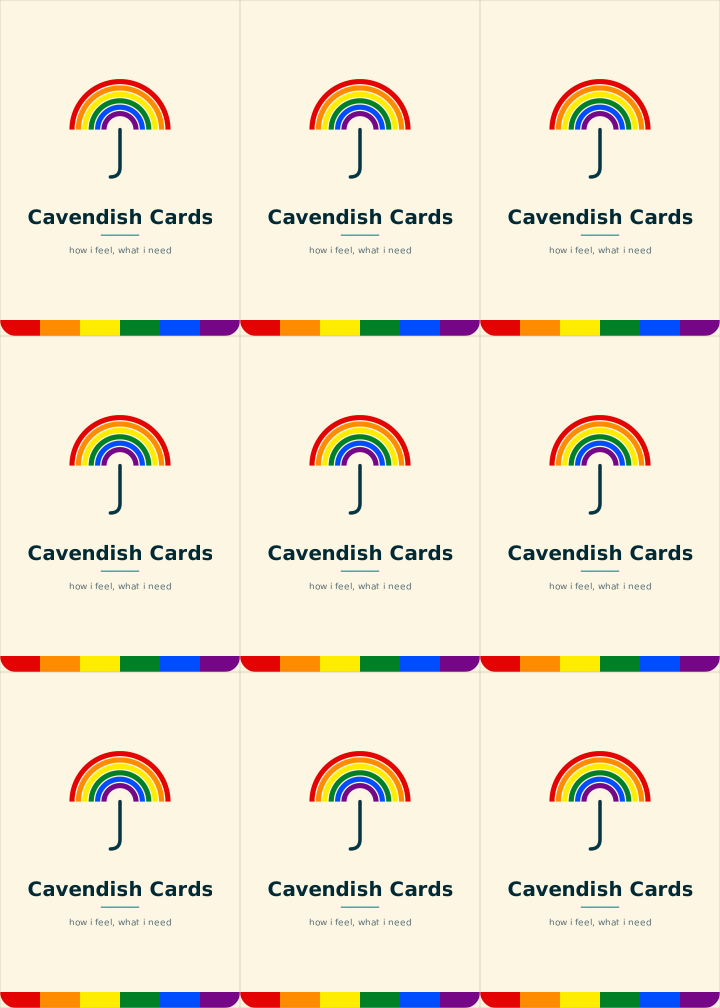
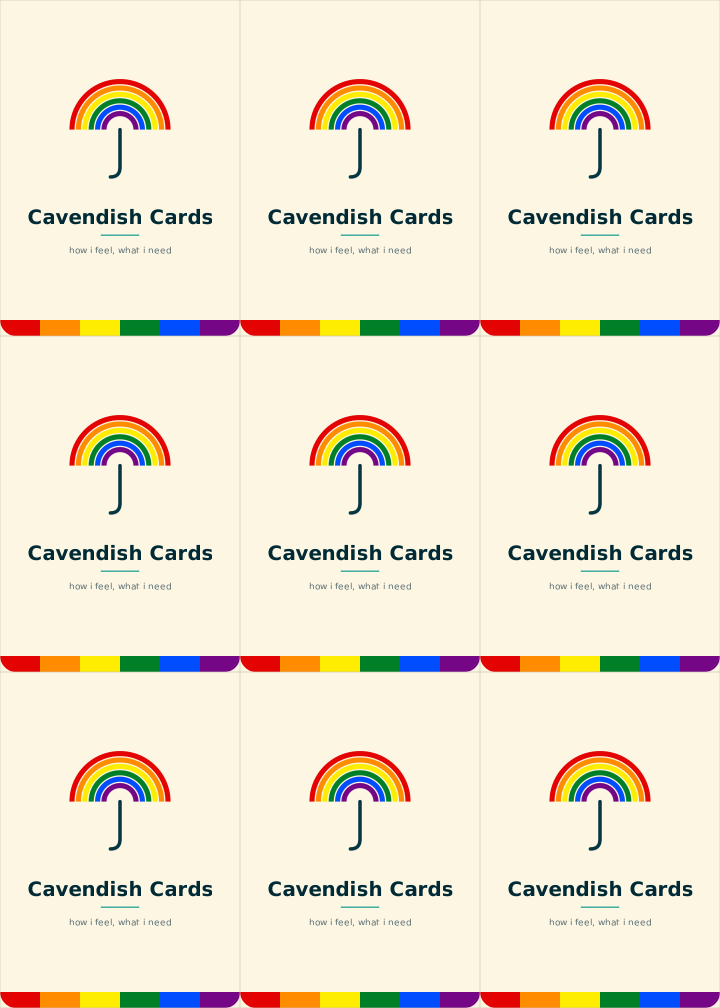
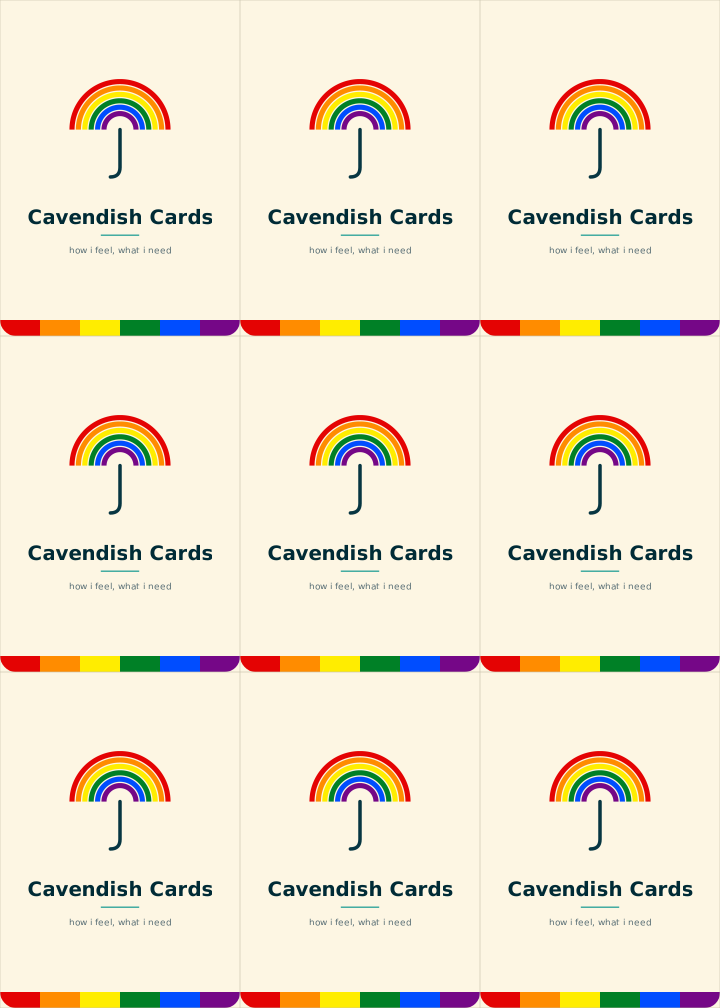
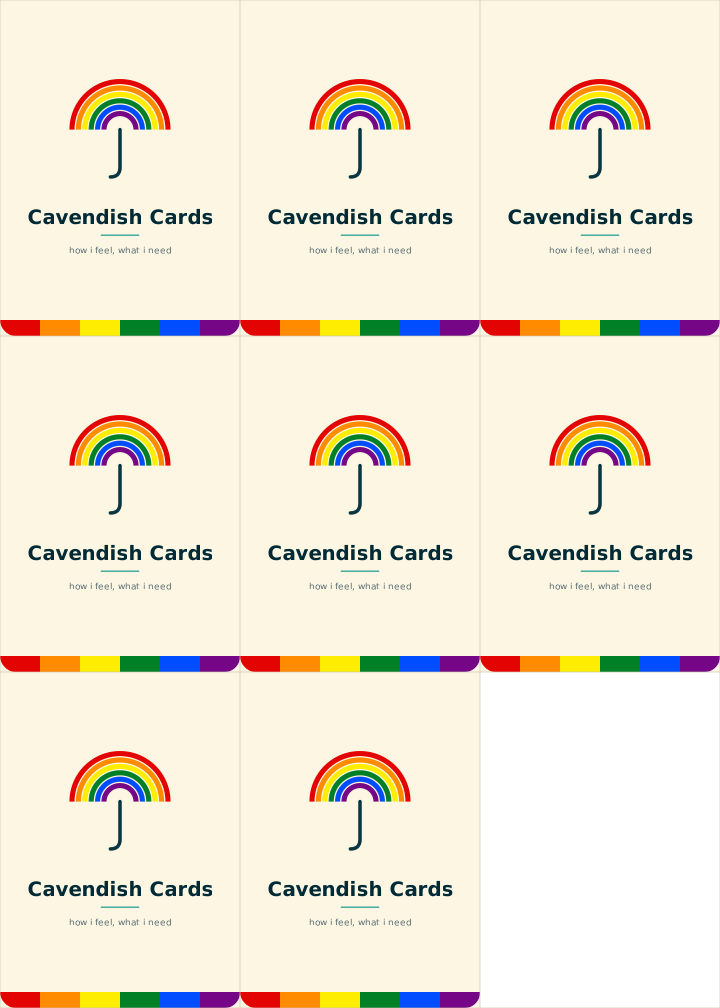
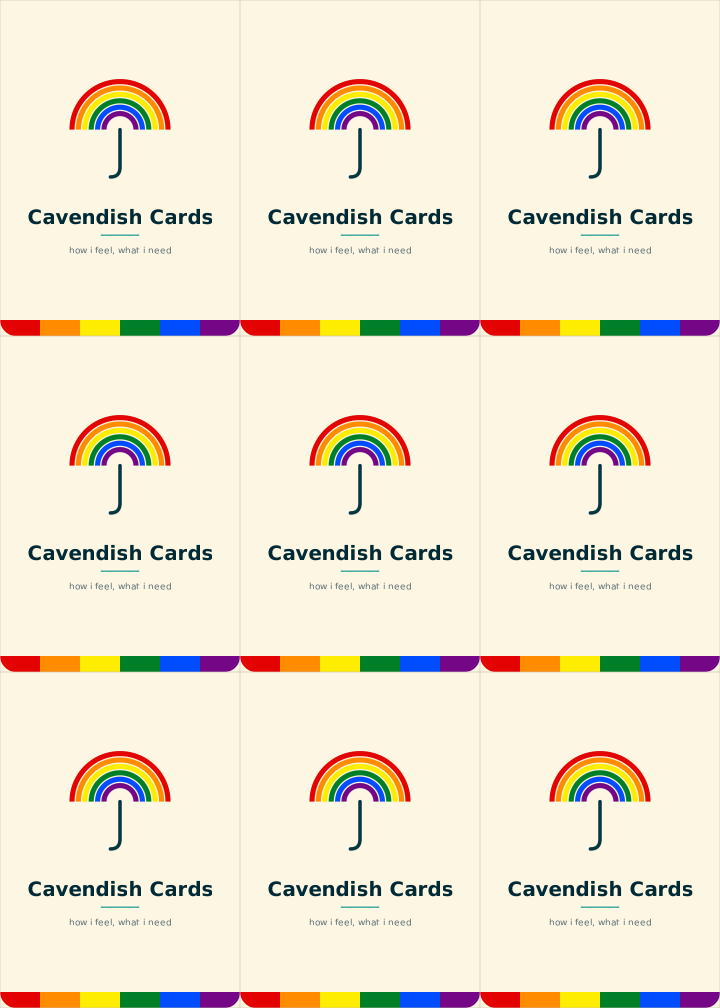
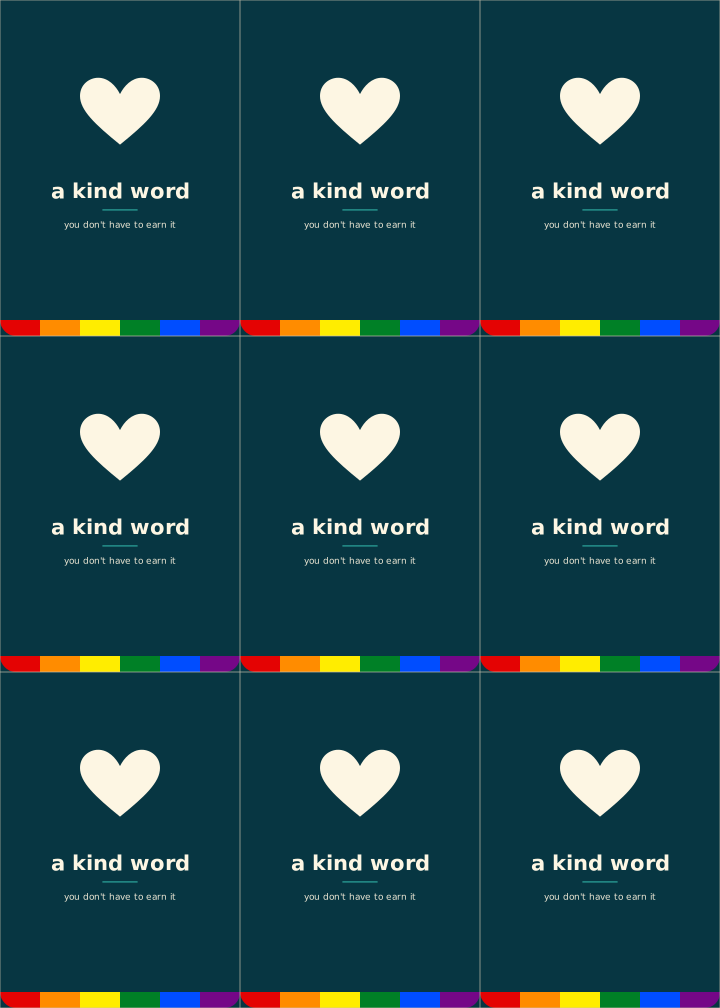
The whole deck at playing-card size, nine to a sheet, ready to cut. Nothing to choose, because a deck is a deck.
The whole deck, at the size it is drawn
95 cards on 15 sheets, nine to a page, at
2.5 × 3.5 in (63.5 × 88.9 mm) — standard
playing-card size. They fit a normal card sleeve, a normal card box, and a
normal hand.
There is nothing to choose on this page. A deck is a deck:
same cards, same size, same order every time. Print it, cut it, use it.
Before you print.
Set the scale to 100%, not “fit to page.”
This is the one that goes wrong. Browsers shrink by default, and a deck
printed at 94% no longer fits a sleeve or a box.
Set margins to Minimum or None. A sheet is 7.5 ×
10.5 in, which fits US Letter and A4 alike inside a quarter-inch margin
— the same file for both, no setting to pick.
US Letter is the tight one. Eleven inches less two
quarter-inch margins is 10.5 exactly, with nothing spare. If your printer
cannot reach within a quarter inch of the short edge it will shave the
bottom row. A4 has three-quarters of an inch to spare; use it if you have
it, or print the bottom row's sheet again on a printer that can.
Use card, not paper. 250–300 gsm (about
90–110 lb cover) handles like a card and survives being laid out and
swept up a hundred times. Plain paper curls by the second session.
No JavaScript? These buttons only
set the page size for you. Print the page from your browser’s own menu
instead, with margins at 0.25 in (6 mm) and scale at 100%.
What is on which sheet
A sheet never mixes realms. That costs a few part-full pages
across the deck and buys the thing this page would otherwise need a control
for: to print one realm, print its pages.
The hairlines are the cuts. They run the full width and height of the
sheet, so every cut is one straight line through three cards at once.
Cut the rows first, then the columns. Three long cuts
each way turns a sheet into nine cards, and the cards stay square. Cutting
one card out at a time is how a deck ends up with nine different sizes.
A guillotine or a rotary trimmer beats scissors, and a metal ruler with a
craft knife beats both for a single sheet.
Optional: a corner rounder, 3 mm radius. It is the
difference between cards that look homemade and cards that look made, and it
stops the corners going furry.
The backs, if you want them
You do not need these. The deck's privacy rule is that
face-down cards are indistinguishable — a spread must not leak
before its person turns a card up — and blank card stock does that
perfectly well. Print backs only if you want the finished object.
If you do: every card in a realm shares one back, so a back
sheet is the same image nine times. That means alignment cannot go
wrong — it does not matter which way the paper turns over.
Print the faces, feed the stack back in, print the matching back sheet, and
check one card against the light before you run the rest.
Two realms carry their own back on purpose, and both are realms
that are never laid face-down: Kind words, which is given or
claimed, and Interaction, which is worn and shown. Everything
else shares the standard back. That is why a distinct back is safe for those
two and nowhere else.
Show the 15 back sheets
Backs for sheet 1InteractionDownloadBacks for sheet 2PlacesDownloadBacks for sheet 3WeatherDownloadBacks for sheet 4WeatherDownloadBacks for sheet 5WeatherDownloadBacks for sheet 6What helpsDownloadBacks for sheet 7What helpsDownloadBacks for sheet 8What helpsDownloadBacks for sheet 9What helpsDownloadBacks for sheet 10Lily padsDownloadBacks for sheet 11Lily padsDownloadBacks for sheet 12GrowersDownloadBacks for sheet 13Kind wordsDownloadBacks for sheet 14Kind wordsDownloadBacks for sheet 15BlankDownload
Then what
The guidebook — every card, what it
names, and how to hold it. Print it or keep it open beside the deck.
The facilitator sheet — for whoever
is holding the space, with the play modes on it.
Interaction badges — the one realm meant
to be worn rather than laid down, at conference badge size.
The web deck — the same cards, if you would
rather not print anything at all.